
J.J. Cale (Country Folk)
English version · automatic translation
Anachronique: J.J. Cale (Country Folk)
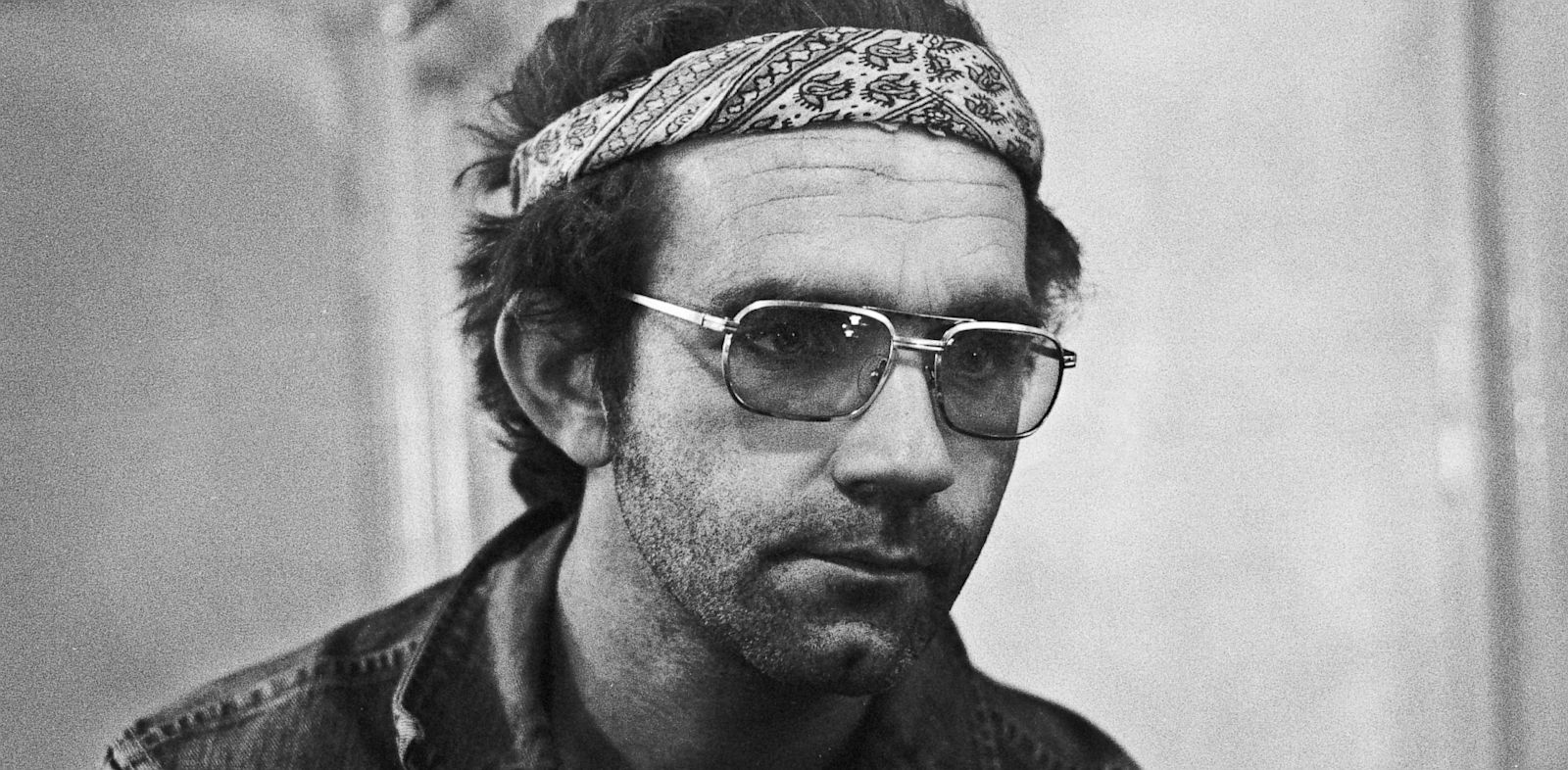
J.J. Cale (1938 – 2013). He had the looks of a grand lord and the creativity to match. J.J. Cale is an artist from Oklahoma who inspired several of the biggest names on the scene. At his death, Clapton (who covered the songs “After Midnight” and “Cocaine“, among others) paid tribute to his old friend and was surprised that the event hadn’t made the front page of newspapers worldwide, BB King-style.
But let’s go back in time a little. J.J. Cale released his first album, Naturally, in 1971. Recorded with many of his childhood friends, it is coloured with folk and poetry. In reality, J.J.’s folk often leans towards country. That gives it a sunny, slightly golden complexion. You find yourself sitting in a rocking chair marvelling at the slightest guitar chord. This way of playing is similar to that of Clapton, Knopfler, Johnny Cash or even Neil Young. The strumming of the strings is instinctively very pure.
Above all, J.J. Cale gave birth to a new kind of musician: the somewhat lazy rocker, the kind of slacker in the making who would give rise to many artists 40 years later. You have to put it in context. When J.J. Cale arrived, the scene was coming out of the sixties and a serious music where bowl cuts were freshly trimmed. The quartet was the reigning formula, hits rang out everywhere and pop had taken over the charts. J.J., for his part, very quickly came across as a troublemaker.
Unlike a scene that today promotes the artist of the moment, the joker always ready to deliver a good punchline, J.J. Cale knew how to assert his natural looseness while becoming the master of a style. The result? Naturally is an impeccable album, 12 cheerful songs where J.J. dazzles us with his art of picking.
The album opens with the very rhythmic “Call Me the Breeze“. Who would have thought of starting such an LP with a drum machine? “Call the Doctor” conveys all the laziness J.J. knew how to sublimate. The subject is serious, and yet he takes the time to lament his sorry state, helped by a country rock guitar. “Don’t Go to Strangers” completes an absolutely perfect opening trio. The leitmotiv is simple: ‘If I’m standing in a crowd, call my name, call it loud; Don’t go to strangers, woman, call on me‘. J.J. seems disillusioned. This song has become an eternal part of his discography. It makes his music an exercise as contemplative as it is existentialist. Which artists, in 2015, can boast of still knowing how to write this kind of music?
“Woman I Love” changes worlds. The brass quickly takes the lead, and in that respect Naturally reminds us of Van Morisson’s Astral Weeks, another album able to play between pop, free jazz, folk and country. Given the theme, J.J. Cale’s voice is smoother. The rhythm seems to speed up, the analogy is elegant. And then comes “Magnolia“. This song is often presented as one of J.J. Cale’s greatest creations. How can you resist this introduction? ‘Whippoorwill’s singing; Soft summer breeze; Makes me think of my baby‘. Even when he delivers love ballads, J.J. manages to imitate a sunset in the manner of a Monet. This music offers a new interpretation of the impressionist movement.
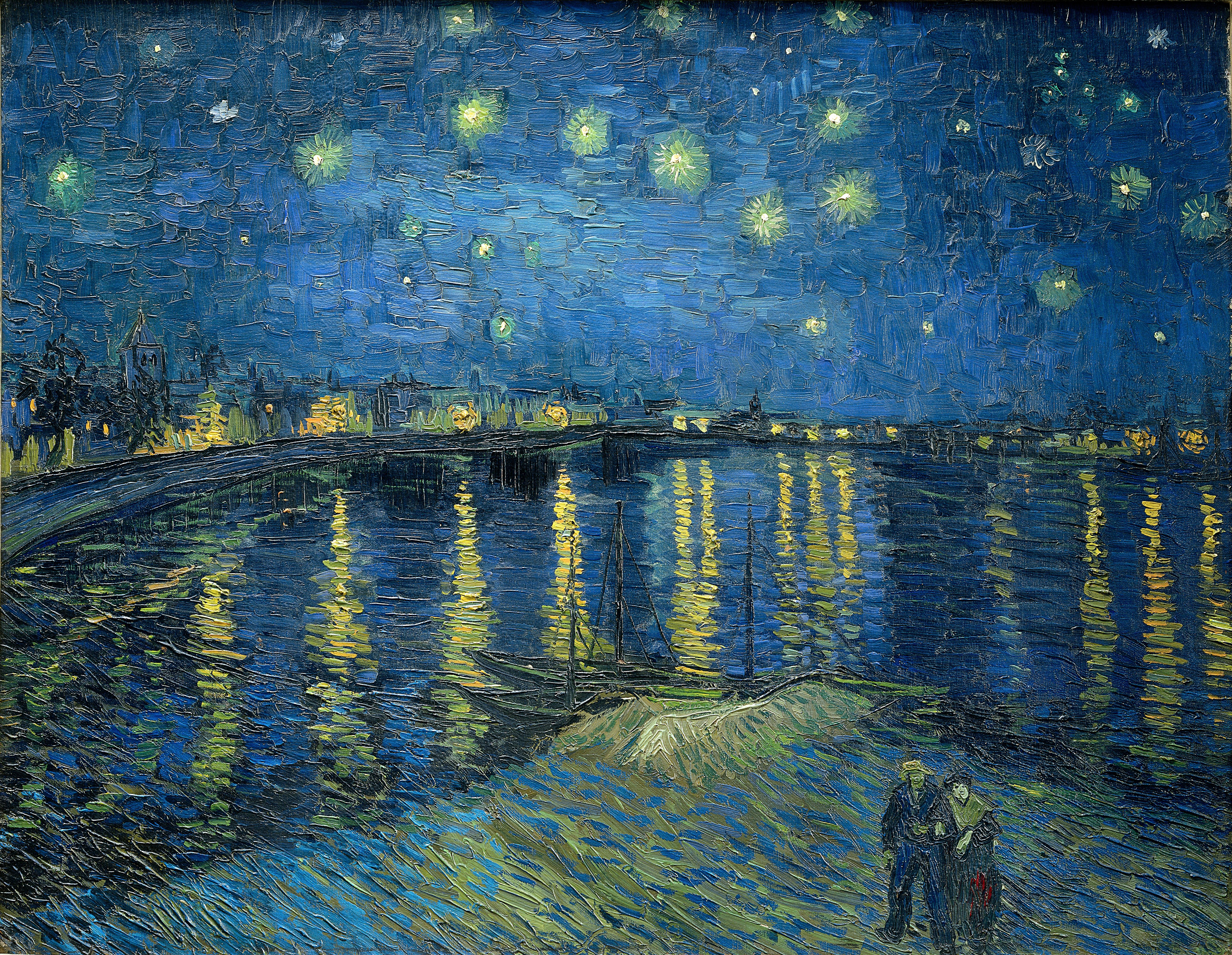
“Clyde“ is the most country track of all. Try the experience. J.J. depicts the porch under which his music should be listened to. “Crazy Mama” then picks up the leisurely rhythm of the opening. An electric guitar answers the acoustic guitar. As for “After Midnight“, which would become a hit for Clapton, it speaks for itself. J.J.’s beautiful nights carry us right into Vincent van Gogh’s Starry Night. The few riffs fade as quickly as the beauty of the brushstrokes. A ballad along the riverbank later (“River Runs Deep“), J.J. brings it back with “Bringing It Back“. It is the love feeling of the 4th song coming back at a gallop. His voice is as delicate as ever, J.J. dares to set his poetry against the power of a new dance. “Crying Eyes” finally serves as the conclusion, a book by Edgar Allan Poe in hand.
The album Really followed Naturally as early as 1972. Some would reproach J.J. for playing the casual card too much, for overdoing it. In reality, J.J. Cale’s long discography shows there was nothing feigned in the languor of this second album. That makes Really an excellent second album. Also go and check out Troubadour, released in 1976. It is brimming with the folk that would inspire so many.
In the end, J.J. Cale’s poetry is a true poetry of life. This artist offers us an approach to music that conveys a bohemia we have let go. On July 26, 2013, we did indeed lose one of the greatest music lovers there is. Since I haven’t yet written about Tony Joe White and Clapton, since I haven’t yet introduced the Flying Burrito Brothers, JJ serves here as the opener. That place is deserved.
Friends, it is time to go and take refuge under an old wooden porch, in the coming weeks Still in Rock is going to bring out the heavy country rock artillery.
J.J. Cale – Call Me The Breeze (1971)
J.J. Cale – Don’t Go to Strangers (1971)
Related links:
Anachronique article on Van Morisson
Links to ALL the anachronique articles
Original version (French)




J.J. Cale – Call Me The Breeze (1971)
J.J. Cale – Don’t Go to Strangers (1971)
Liens afférents :
Article anachronique sur Van Morisson
Liens vers TOUS les articles anachroniques