
Harry Nilsson (Pop)
English version · automatic translation
Anachronique: Harry Nilsson (Pop)
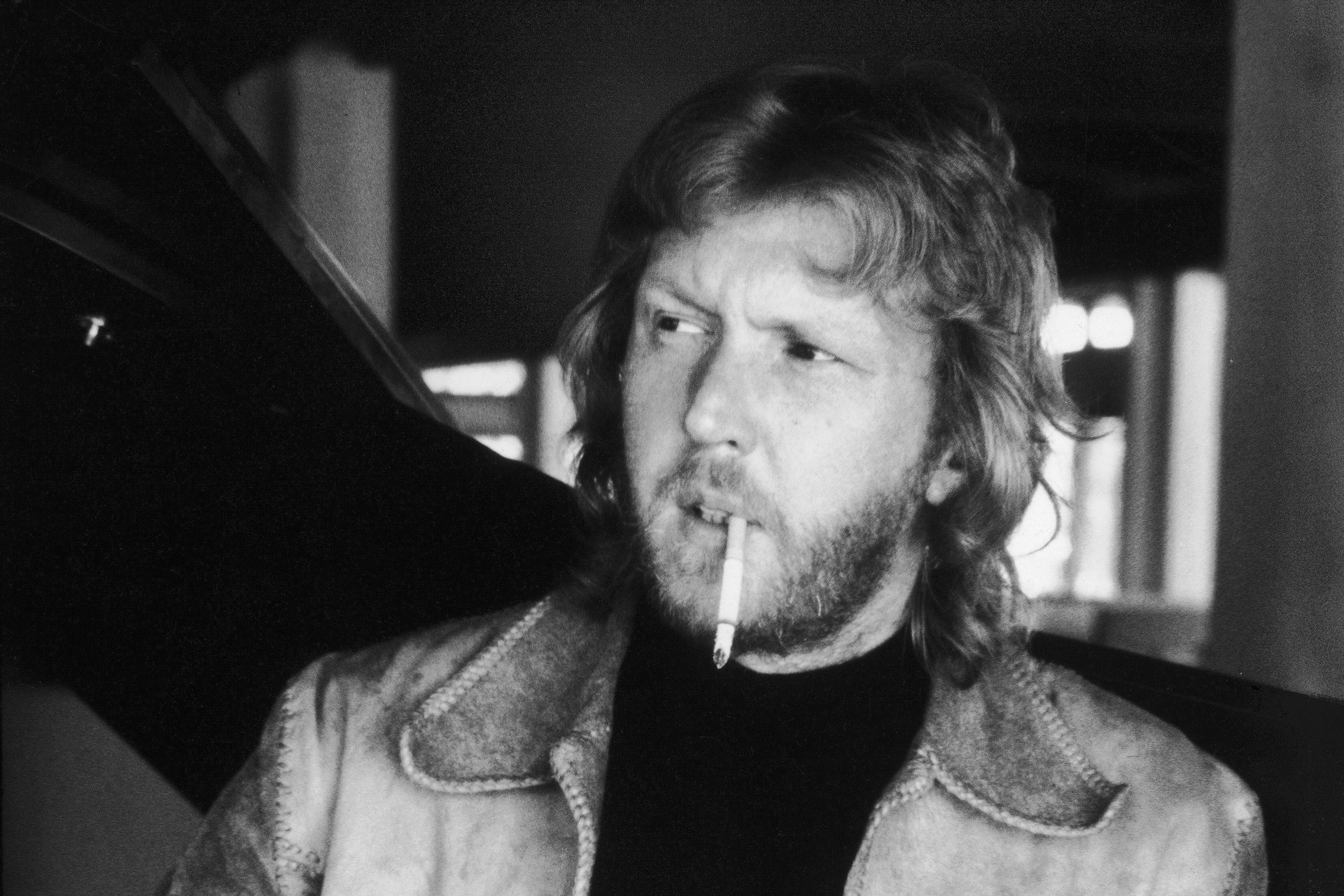
Nilsson is one of the greatest American composers of the 20th century: that sets the scene. Born in Brooklyn in 1941 and dead in 1994 in Agoura Hills, Nilsson always pursued a very atypical career: he worked in a bank for a long time while releasing albums that met with no success, he generally refused to perform on stage but agreed to a BBC session worthy of the genre’s pantheon, he was the Beatles’ favorite artist (by their own admission, in 1969) but preferred to collaborate with Randy Newman, he became known through a cartoon in 1971 and ended up working with John Lennon in 1974 on his album Pussy Cats… in short, Nilsson’s life was rich, and here we are today in possession of a few LPs that marked the history of pop.
The album this article is about is Nilsson Schmilsson, his masterpiece released in 1971. Made up of 10 tracks, it alternates between pop not really made for the charts, ballads to melt the most punk of hearts and, always, unparalleled mastery. Against a backdrop of burlesque music, you never really know whether Nilsson is making fun of his listener, of the star system or of the entire planet. One thing is certain, Nilsson seems to be making fun of someone, and that degree of irony – which you also find in Randy Newman’s compositions – makes his music quite singular.
I will be quicker than usual on the review of the album. Allow me to begin by pointing out the need to listen to each of these songs with the precision of a true goldsmith. “Gotta Get Up“, with its bluesy rhythm and nonsensical lyrics, “Driving Along“, which seems to lay the foundations of a new folk à la Grateful Dead, and the almost funky “Early In The Morning” form the opening trio.
“The Moonbeam Song” and “Without You” are two tracks that touch the teenage girl who doesn’t really listen to the meaning of the lyrics and is content to murmur what she is told to murmur. Today, they are on their smartphones watching their Instagram scroll by with no ambition of learning anything. Back then, they let themselves be lulled by the songs of Harry Nilsson, who seemed to comfort tender hearts while despising what was most conventional in pop music.
“Down” reveals his friendship with John Lennon – the song could be by Plastic Ono – while “Coconut” definitively confirms the tongue-in-cheek side of this LP. “Let The Good Times Roll“, in my view, is one of the great masterpieces of this record, capable of reconciling the two Americas while knocking out the English scene, which was never able to deliver such country-spirited tracks. Harry Nilsson’s voice reaches its full scope.
“Jump Into The Fire” imitates the hard rock scene that was already peeking around the corner, while “I’ll Never Leave You” makes a promise it knows it cannot keep. Nilsson declares his love for Japanese-flavored music, who would have thought? Well, at this point, probably every attentive listener…
(how cool?!)
If I have skimmed quickly over what his masterpiece album contains, it is because I actually believe that Nilsson was never as radiant as in his BBC session dated 1971. There you find Nilsson at the height of his art, his gaze both sad and laughing, capable of delivering some of the most beautiful scores of the decade. As I said in the introduction, Nilsson was not a big fan of public performances, which is why this session was recorded without an audience – it was edited afterwards, something the BBC did wonderfully.
The session opens with “Mr Richland’s Favourite Song / One“. Nilsson’s seriousness is striking, but believe me, he cannot help detaching himself from it a little. In that, Nilsson is a faithful representative of the nineties scene ahead of its time, ironic and playful. More bluesy, he moves on to “Gotta Get Up” and it is precisely at 6min36 that you understand this session is going to take some funny turns, when he “silences” the room with a snap of his fingers. “Walk Right Back / Cathy’s Clown / Let The Good Times Roll” takes over in a burst of genius for which we must thank the BBC, or Nilsson, or whoever had the idea. The three octaves of the three Nilssons give this sequence a power unmatched to this day. “Life Line” reintroduces a bit of classicism into this session before the famous cartoon arrives on “Think About Your Troubles“.
If everyone were happy, there would never be any love songs. That is how “Joy” begins, a clue to Nilsson’s vision of the world, in which love = sorrow. “Are You Sleeping?” is a song more faithful to the 70s universe, in the line of the Nazz and that pre-power pop scene that always seemed ready to use a bit of burlesque to keep the troops’ spirits up.
“Without Her” is one of the big hits of Nilsson’s discography, so it was only natural for this BBC session to devote a few minutes to it. Between gentleness and providentialism, Harry Nilsson builds a new bridge between pop and folk. The guitar has replaced the piano and we head straight for “Coconut“, which Nilsson plays dressed in a primate costume. “1941” closes it all on what remains one of the most moving sequences in the history of the BBC.
That is how Nilsson, hidden beneath his apparent shyness, delivered some of the most beautiful songs of the 1970s. They were also among the most sarcastic. Having influenced the Beatles and so many other bands, Nilsson is forever in the genre’s pantheon. He is only waiting to enter yours.
Tracklist:
1. Gotta Get Up
2. Driving Along
3. Early In The Morning
4. The Moonbeam Song
5. Down
6. Without You
7. Coconut
8. Let The Good Times Roll
9. Jump Into The Fire
10. I’ll Never Leave You
Links:
Article on Randy Newman
Link to ALL the anachronique articles
Original version (French)
Nilsson – Walk Right Back / Cathy’s Clown / Let The Good Times Roll (BBC session)
Nilsson – 1941 (BBC session)
Tracklist:
1. Gotta Get Up
2. Driving Along
3. Early In The Morning
4. The Moonbeam Song
5. Down
6. Without You
7. Coconut
8. Let The Good Times Roll
9. Jump Into The Fire
10. I’ll Never Leave You
Liens :
Article sur Randy Newman
Lien vers TOUS les articles anachroniques