
The Zombies (Baroque Pop)
English version · automatic translation
Anachronique: The Zombies (Baroque Pop)
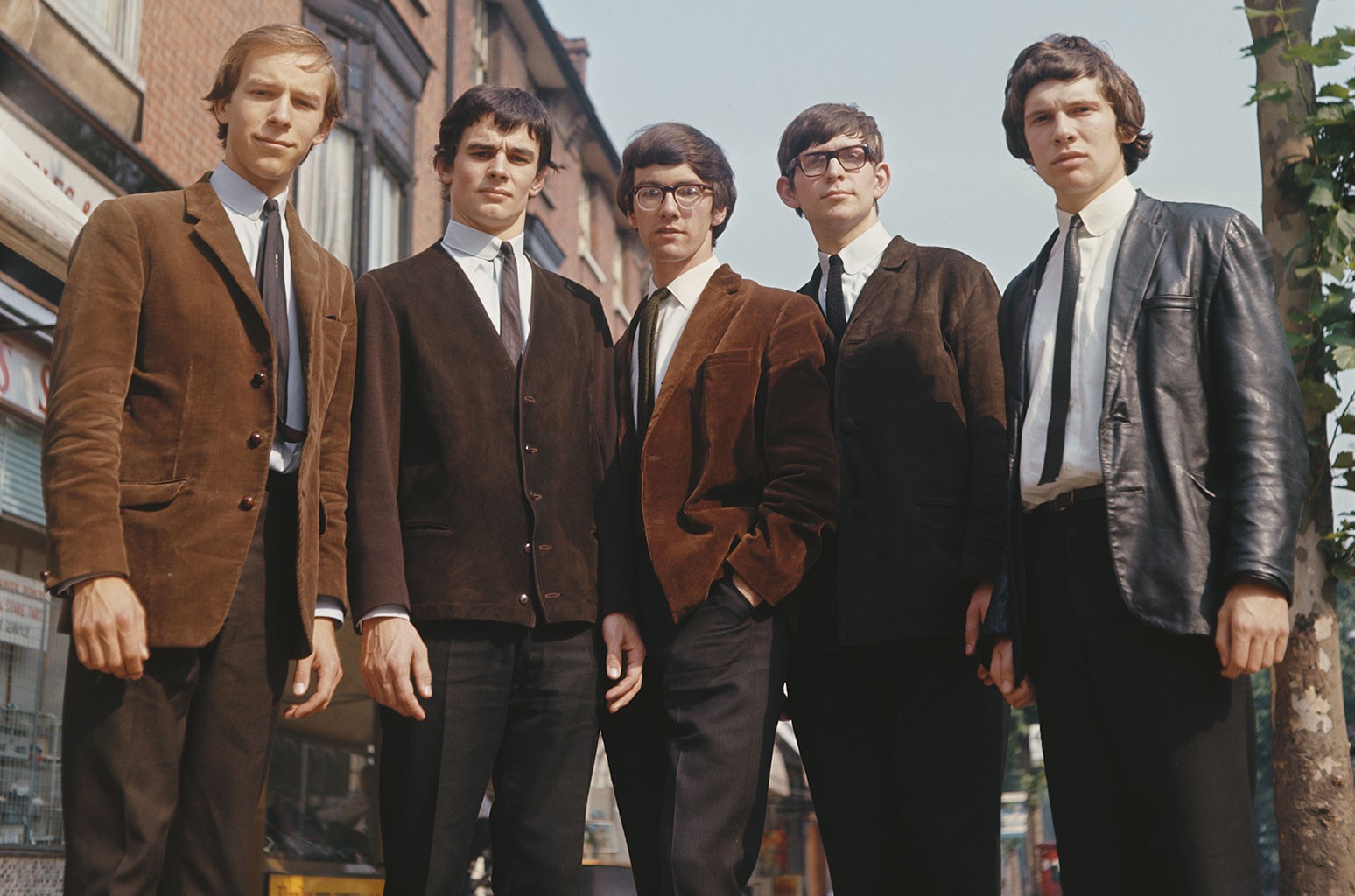
The Zombies. A difficult task, introducing one of the best albums of the ’60s. But sometimes you have to take on the giants of this world, and the Zombies are unquestionably among them. So it is not without caution, nor without idolatry, that Still in Rock presents this anachronique article.
The Zombies are an English band (St Albans) formed in 1961. The band’s first album came out in 1965. Titled Begin Here, it compiles the band’s first singles and fully embodies the British Invasion movement. After She’s Not There and Tell Her No and I Love You, the Zombies came back in 1968 with Odessey and Oracle, their last album (some will say it is also the first, since the others were not conceived as a real LP) with the band’s original line-up. Legend (apparently verified) has it that the name originally chosen for this album was Odyssey and Oracle, but that the artist who made the cover, Terry Quirk, made a mistake by replacing the ‘y’ with an ‘e’. So be it.Released on CBS, its original version has twelve tracks. And so many things are in it: the beginnings of psychedelic pop, those baroque pop sounds, its ambient bedroom pop that gives it an angelic air, its many celestial melodies. Recorded at Abbey Road and Olympic Studios, Odessey and Oracle left its mark on every generation of artists that followed its release. Just look at the number of bands that today name the Zombies as their reference band.
La délicatesse de la voix de Colin Blunstone porte particulièrement à l’écoute des textes, toujours parfaitement délivrés, avec une diction et une retenue finalement très anglaise. L’album s’introduit sur “Care of Cell 44“, une parfaite chanson d’amour, et du même fait, une parfaite introduction à cet album fleurissant. Le ‘Good morning to you I hope you’re feeling better baby‘ suivi de ce ‘Feels so good…You’re coming home soon!‘, sonne comme des hymnes de vie à la lueur de la voix de Colin Blunstone. Suit “A Rose for Emily“, l’un des titres les plus poignants de toute la discographie des Zombies. On y trouve un songwriting saisissant qui accompagne un texte de toute beauté, ‘Emily (Emily), can’t you see? There’s nothing you can do (how the sun is shining) There’s loving everywhere but none for you‘, ‘The roses in her garden fade away Not one left for her grave Not a rose for Emily‘. Ce morceau est et restera l’un des plus beaux titres de la décennie. The Zombies affirme définitivement leur statut de poète avec le titre “Maybe After He’s Gone“, débutant par un splendide ‘She told me she loved me with words as soft as morning rain’.
Then it is “Beechwood Park”’s turn to lull us. The reverb on the guitar makes it a fascinating Bedroom Pop track. What stays with you is that ‘Do you remember golden days and golden summer sun‘ and the description of the Park under the stars of an ink-black night. “Beechwood Park”.
“Brief Candles” is a piece somewhat apart in the Zombies’ discography. Granted, the bass still plays its central role, and granted, it has that touch of psychedelia found in the band’s best tracks. But it is the voices, perhaps of Californian influence, perhaps South American, that make “Brief Candles” a track that is not without echoes of CSNY. Right after, we tackle one of the greatest tracks on the whole album, “Hung Up on a Dream“. The title of this track would later become the name of the band’s biography. The melody and the interweaving voices make it one of the Zombies’ darkest. You can already see yourself in the opening credits of Twin Peaks. Next comes “Changes“, surely one of the most psych tracks on the album. And ‘Now Silver and gold Strawberry clothes‘. It has the whole soul of the Beatles’ White Album. It also recalls the creations on The Pretty Things’ S.F. Sorrow, released the same year. It is one of the Zombies’ most absurd creations. The piano-led opening march has few equivalents. “I Want Her She Wants Me” sits squarely in the Baroque Pop vein the Zombies always cherished. This track helps bring the complexity that would make Odessey and Oracle the legendary album it has become. This track is proof, if any were needed, that the Zombies rank among the greatest Pop songwriters of their time. Listening to these three minutes, you tell yourself the Beatles can count themselves lucky that the Zombies did not have their longevity, because the competition would have been serious.
We finally reach “This Will Be Our Year“, in my view the band’s greatest creation, and without any doubt one of the best Pop songs in history. The trumpet’s entrance is triumphant, the lyrics unforgettable. Hard to pick out the most emblematic lines, so absolutely perfect is this whole track.
♪ and I won’t forget
the way you held me up when I was down
and I won’t forget the way you said,
“Darling I love you”
You gave me faith to go on ♪
And then Tim Burton’s London appears with “Butchers Tale (Western Front 1914)“. Jack the Ripper prowls in these few notes of music. Watch out. ‘And the preacher in his pulpit Sermoned “Go and fight, do what is right”‘. “Time of the Season” is the last track on this album, and also to this day the biggest hit in the band’s history. Hard to find a track better suited to this budding spring. The little organ solo embodies a perfect balance between psychedelia and a more minimal pop mastery. ‘To take you and the sun to Promised lands‘, surely the lyrics that best sum up the Zombies’ music.
The psychedelia of Odessey and Oracle is often very discreet. You have to know how to draw on all the resources of this album which, behind its catchy pop air, is actually hard to fully grasp. Fortunately, this album immediately catches the ear because it is one of the most poetic albums ever written. The band split before the album came out. For that reason, it never performed these songs on stage. The band’s reunion a few years later would, however, give the public what it had so long awaited. To this day, the Zombies are still touring. And there is still something very sincere in Colin Blunstone’s voice, a bit like Johnny Thunders managed on Hurt Me (in a totally different genre, granted). The ghost of the Zombies and their melodies made of pure gold still hovers over today’s scene with the benevolence of the greatest.
Related links:
Anachronique article on Syd Barrett
Links to ALL the anachronique articles
Original version (French)
Et puis, c’est le Londres de Tim Burton qui apparait avec “Butchers Tale (Western Front 1914)“. Jack l’Éventreur rôde dans ces quelques notes de musique. Watch out. ‘And the preacher in his pulpit Sermoned “Go and fight, do what is right”‘. “Time of the Season” est le dernier morceau de cet album, et également à ce jour le plus grand hit de l’histoire du groupe. Difficile de trouver un titre plus adapté à ce printemps naissant. Le petit solo d’orgue est l’incarnation d’une parfaite balance entre psychédélisme et maitrise pop plus minimale. ‘To take you and the sun to Promised lands‘, surement les paroles qui résument le mieux la musique des Zombies.