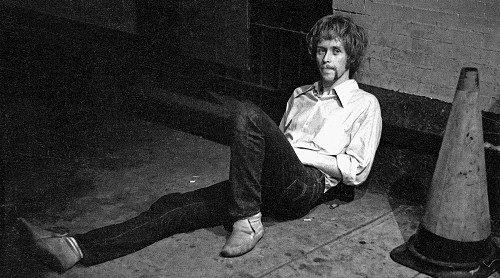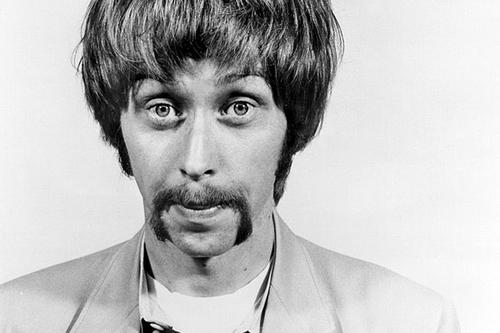
Alexander “Skip” Spence (Psych Folk)
English version · automatic translation
Anachronique: Alexander “Skip” Spence (Psych Folk)
Alexander “Skip” Spence was a Canadian artist (born in ’46, died in ’99) who first made a name for himself as the drummer of Jefferson Airplane (writer of songs as brilliant as “Plastic Fantastic Lover“). He was also a member of other bands (including the very good Moby Grape), which met with more or less success.
Alexander “Skip” Spence’s presence in this series of anachronistic articles is no accident. Some people say that experimental music is boring, or that it only serves the interests of a small handful of nerds. Professing such absurdities could not go unpunished. Alexander “Skip” Spence is proof that music can push a genre forward (or even create one) without forgetting its baggage of melodies and lyrical flights.
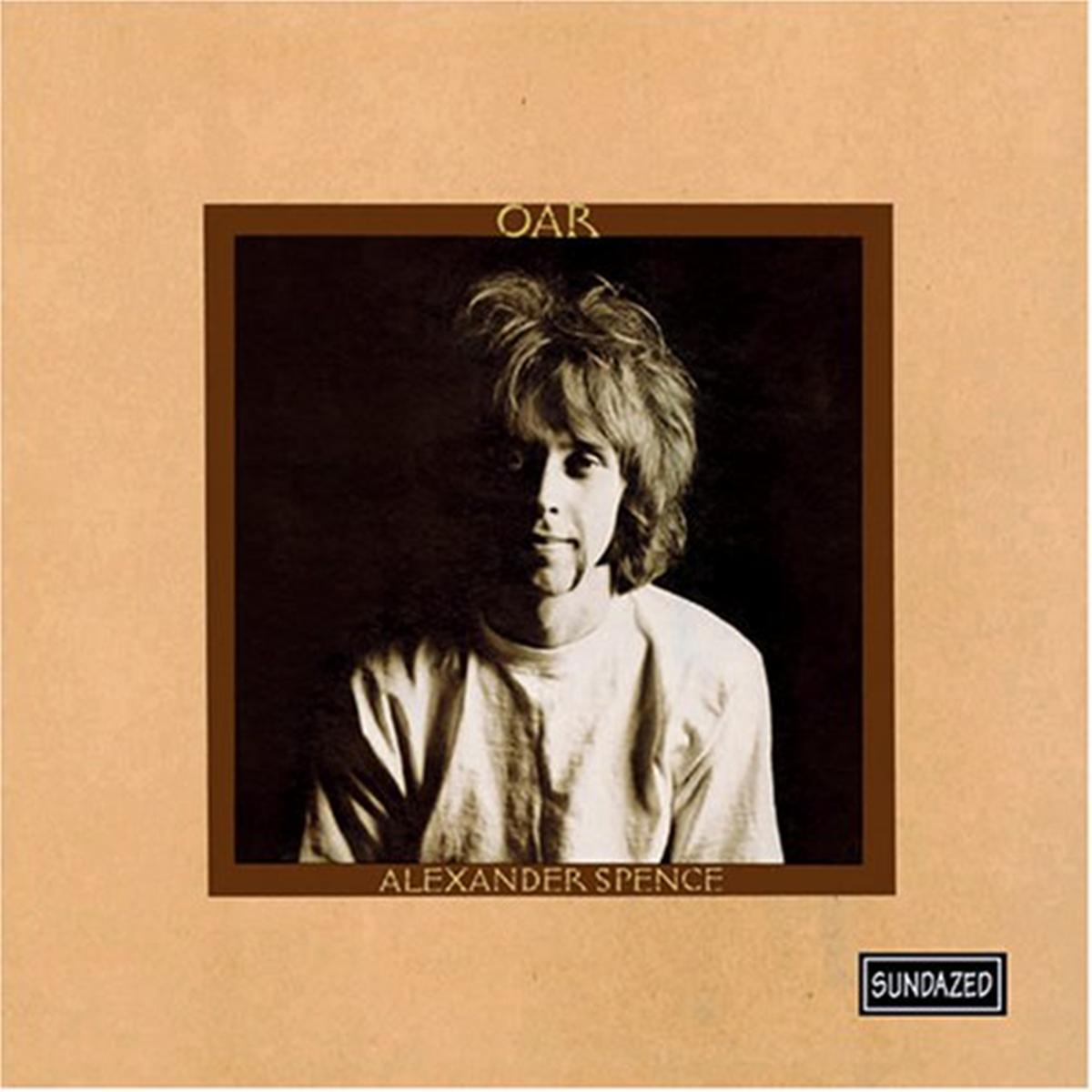
Alexander “Skip” Spence’s discography is easy to trace. He only ever released one album, Oar, in 1969. On the edges of a very psychedelic musical style, Skip added the genius of the great Folk albums, à la Leonard Cohen. Never again would this cocktail be recreated. Needless to say, listening to Oar is surprising, because it is unusual and clearly inhabited by something else. Some have stuck the label soundtrack to schizophrenia on this album, composed by an artist who suffered from that very mental illness. There is surely some of that in it: you hear stories of Saints and demons, many emanations that seem to rise from deep within the earth, where only a few can go. But there is also, and above all, the mark of a genius artist who recorded his masterpiece in less than 15 days. Zappa and Syd Barrett come to mind as comparisons, although the musical result is far from theirs.
Cleverly, the album opens with the most melodic track of all, “Little Hands“. We are already facing Skip Spence at his very best. On the borders of the psychedelic genre, you get swept up by the power of the chorus. “Cripple Creek” asserts itself in a very different style. Skip brings out a big folk voice on what would become another of his classics. Then comes “Diana“, arguably one of the greatest folk songs of the decade. The chorus sounds like the ferrymen of the Styx, and Skip Spence adds the grandiloquence of the best tracks of the psychedelic genre.
“Weighted Down (The Prison Song)” is a more classic folk track that strongly reminds me of Vernon Wray (link). Although I cannot help finding it less poignant than the others, I enjoy the little game Skip initiates us into, as he seems to want to show us a false face. The layout is indeed very well constructed, and the alternation between psychedelic tracks and classic folk ones makes this album a very incoherent whole, which conveys Alexander’s universe as well as anything could. The most polished tracks thus take on a new meaning, because they are plunged into the alternation of a foretold chaos.
A more psychedelic universe (more Syd Barrett) returns on “War In Peace“, one of the highlights of Oar. Tracks like this make this solo opus an LP above those of Jefferson Airplane. They send the pseudo-psychedelic acts of the time back to their music theory lessons. “All Come To Meet Her” follows the same line, but is too short to stick. It is “Books Of Moses” that comes and knocks on our temple. In the middle of the storm, Oar grows a little darker still. And then the alternation with the false joviality of “Dixie Peach Promenade (Yin For Yang)” confirms the growing sense of incomprehension. As you will have gathered, “Lawrence Of Euphoria” plunges us into full-on psych-folk. Perhaps euphoria is what best defines this first part of the album. Skip manages to make his music the exact reflection of his soul; it is logically tortured, but also very vivid.
With “Grey / Afro“, a new phase of Oar opens before our eyes, surely more experimental and less psychedelic. As its name suggests, we are faced with 9 minutes of percussion, à la Max Roach. “It’s The Best Thing For You“, jazzier, leaves plenty of room for the bass. “Keep Everything Under Your Hat” and “Furry Heroine (Halo Of Gold)” are of the same ilk. And then come the few final tracks, which rarely go past the one-minute mark. The impression of listening to Oar’s outtakes only grows stronger from track to track. Johnny Thunders must surely have drawn on it for Hurt Me. It is “I Think You And I” that closes the dance.
In many respects, Skip’s music influenced a large majority of the folk generation that followed, I am thinking of Beck, Daniel Johnston, Calvin Johnson, Devendra Banhart, Sufjan Stevens & co. Beck even re-recorded Oar as part of his excellent Record Club. You will find the videos at this link (here). Jonathan, leader of Cardboard, also had the very good taste to include this album in his top 20. This name dropping only partly reflects how much real influence this album had on many others.
A few months after his death, Sundazed Music released an expanded version of this album. And then Birdman Records released More Oar: A Tribute To The Skip Spence Album, a tribute album featuring Tom Waits, Robert Plant & co. Ah, posthumous recognition is a fine thing. It did not stop him from living as a homeless man around Santa Cruz, eaten away by illness and alcohol. He now lives in everyone’s memory, but at what price?!
Related links:
Anachronistic article on Beck
Link to ALL the anachronistic articles
Original version (French)